Fast Homemade Drunken Noodles for Lunch or Dinner
@codyazfh573
September 25, 2026 · 16 min read

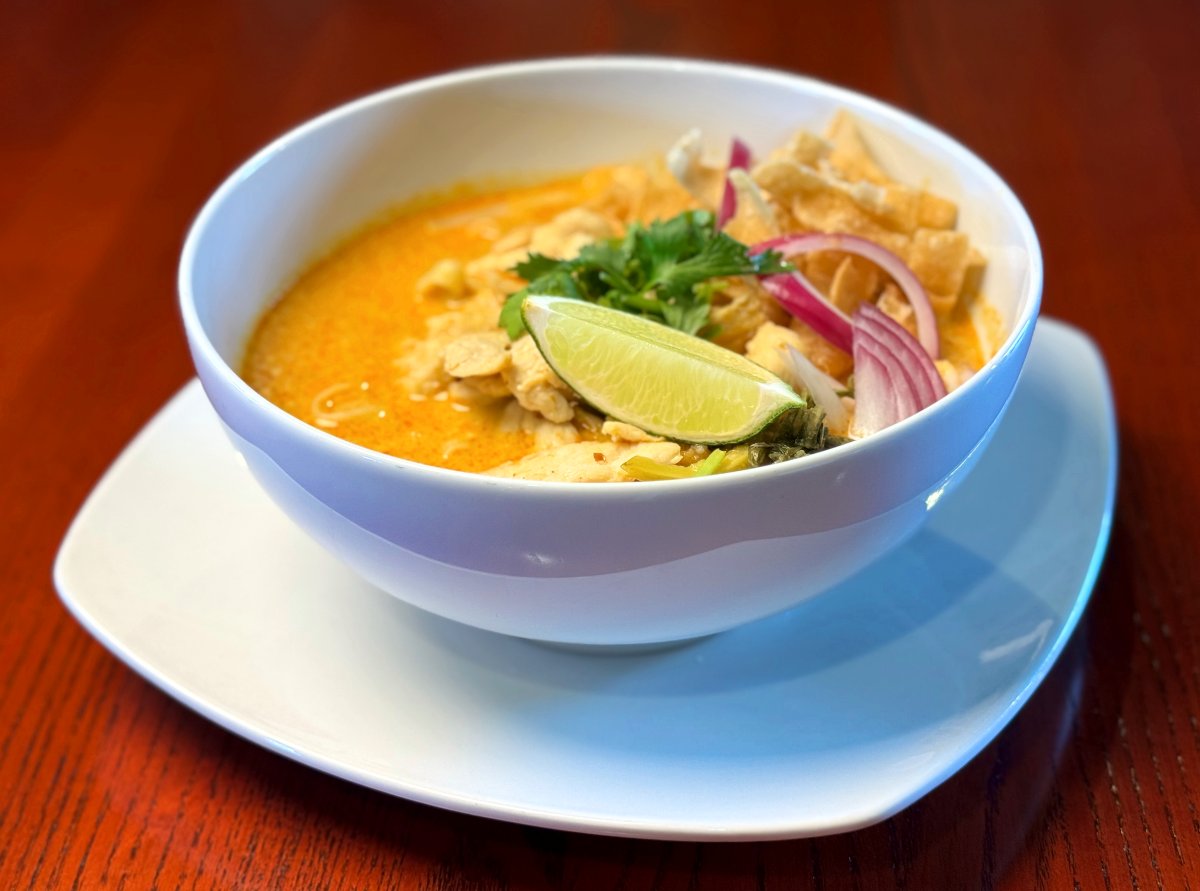
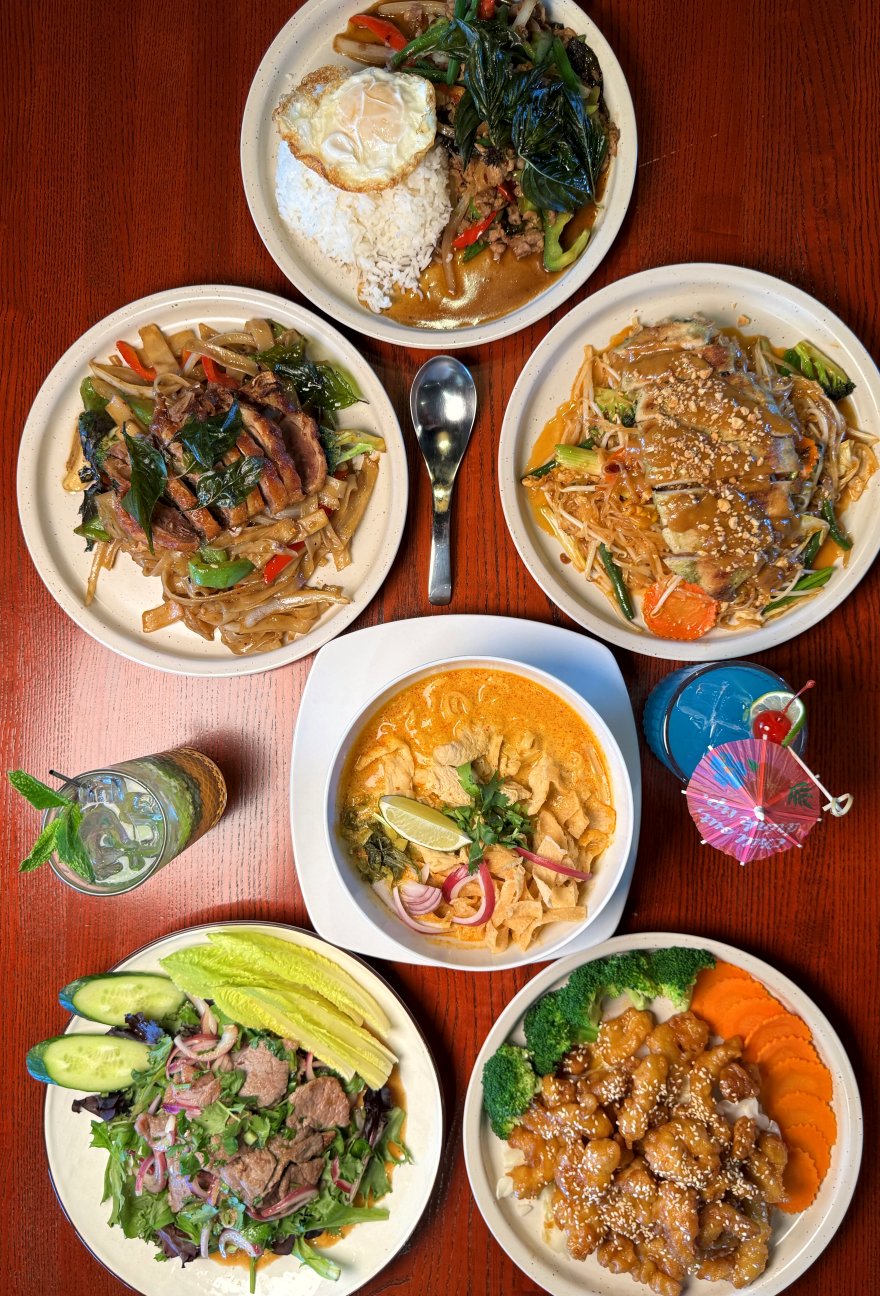
Drunken Noodles sit in that sweet spot between a fast weeknight stir-fry and a dish that feels like you ordered something special. They are bold, savory, a little sweet, a little smoky, and deeply satisfying in a way that plain noodle bowls rarely manage. When made well, the noodles stay chewy, the sauce clings rather than pools, and the basil hits the pan at the last second so the whole kitchen smells alive.
This is one of those meals that earns a permanent place in a home cook’s rotation because it solves several problems at once. It cooks quickly. It uses one pan. It welcomes leftovers and substitutions. Most importantly, it tastes like a dish you meant to make, not a compromise thrown together at 6:30 on a tired Tuesday.
There is also a reason experienced cooks come back to Drunken Noodles again and again. The technique teaches restraint. Too much sauce, and the noodles turn slick and heavy. Too little heat, and you lose the characteristic charred edges and toasted aroma that make the dish memorable. Add the vegetables too early, and they collapse. Add the basil too late, and it tastes raw instead of fragrant. It is fast cooking, but it rewards attention.
What makes Drunken Noodles distinct
If you have ordered Drunken Noodles in different restaurants, you already know there is no single rigid version. Some are fiery and basil-forward. Some lean sweet and glossy. Some arrive packed with wide rice noodles, onion, bell pepper, and protein. Others are looser interpretations with whatever vegetables the kitchen needs to move. That flexibility is part of the appeal, but there are a few characteristics that separate this dish from a generic noodle stir-fry.
The first is the noodle itself. Wide rice noodles give the dish its characteristic chew and surface area. They catch sauce in broad folds and develop browned spots where they hit the pan. Thin noodles do not behave the same way. They can still taste good, but they turn the dish into something else.
The second is the sauce balance. A proper version does not taste simply salty or simply spicy. It carries savory depth from soy-based seasonings, sweetness to round things out, and enough heat to keep each bite interesting. Depending on the pantry and your preference, that heat can come from fresh chilies, chili paste, or a pinch of dried flakes. There is room to improvise, but the balance matters.
The third is basil. Sweet basil can work in a pinch, but Thai basil brings a peppery, slightly anise-like aroma that gives Drunken Noodles their unmistakable finish. The difference is noticeable. If I am going to make the dish specifically because I am craving it, basil is the ingredient I refuse to skip.
Why this dish works so well for lunch or dinner
For lunch, Drunken Noodles feel substantial without requiring a long prep session. If you have cooked rice noodles and sliced vegetables ready in the refrigerator, the whole thing can be in a bowl in about 15 minutes. That is quicker than delivery in many neighborhoods, and you get better texture because the noodles go straight from pan to plate.
For dinner, the dish scales beautifully. One person can make a solo serving in a large skillet. A family can double it, though in that case I strongly recommend cooking in batches instead of crowding the pan. Crowding is the fastest way to steam the ingredients, dull the flavors, and end up wondering why your homemade version tastes flat.
There is also a practical advantage many home cooks appreciate only after a few tries. The ingredients pull from common refrigerator staples. Onion, peppers, greens, leftover chicken, a package of tofu, eggs, shrimp, a half bottle of soy sauce, basil that needs using, all of these can find a place here. It is a clean-out-the-fridge meal that never feels like one.
The ingredient strategy that keeps it fast
Fast cooking starts long before the pan gets hot. Drunken Noodles move quickly, which means the real work is choosing ingredients that cooperate. This is not a recipe where you can leisurely chop while something simmers. Once the oil goes in, you are cooking almost continuously for a few minutes.
Here is the ingredient set I reach for most often when I want reliable results at home:
- Wide rice noodles
- Chicken, shrimp, tofu, or a mix of vegetables
- Onion and bell pepper, or another quick-cooking vegetable
- Garlic, fresh chilies, and Thai basil
- Soy sauce, oyster sauce, fish sauce, and a small amount of sugar
That short list covers the structure of the dish. Everything else is a variation. Broccoli can work if sliced very thin. Green beans are excellent if blanched or cut on a sharp diagonal so they cook quickly. Baby corn, snap peas, or mushrooms can all fit, but each changes the moisture in the pan. Mushrooms, for instance, release water and can dilute the sauce unless the heat is high enough to evaporate it quickly.
Protein deserves a quick note because it affects timing more than flavor. Shrimp cook in a flash and suit lunch especially well. Chicken thigh offers more forgiveness than breast because it stays juicy even if the pan runs a minute longer than planned. Tofu works beautifully, but it should be pressed and, ideally, pan-seared separately first if you want crisp edges. Otherwise, it can taste soft and watery against the bold sauce.
The sauce is simple, but proportion matters
A good Drunken Noodles sauce should be assertive enough to coat the noodles, yet not so strong that it overwhelms after a few bites. Home cooks often go wrong in one of two directions. They either add too much liquid, hoping for more flavor, or they hold back so much that the noodles taste dry and disconnected.
For two generous servings, I usually think in terms of a few tablespoons rather than a large bowl of sauce. Soy sauce provides salt and color. Oyster sauce contributes body and a subtle sweetness. Fish sauce adds depth and the kind of savory complexity that makes the dish taste fuller. A small amount of sugar helps the sauce glaze the noodles and keeps the salty elements from feeling sharp. If I am using very salty soy sauce, I ease back on the fish sauce. If I am adding a lot of vegetables, I may increase the sauce slightly, but only slightly.
This is also where judgment comes in. Fresh rice noodles absorb and coat differently from dried ones. Fresh noodles need less help and often less sauce. Dried noodles, even when cooked properly, can drink up more seasoning. That is why exact measurements only tell part of the story. The pan will tell you the rest. If the noodles look glossy and smell balanced, stop. If they look pale and dull, add a splash more seasoning. If liquid gathers at the bottom, the sauce is too loose or the pan is not hot enough.
Choosing and handling the noodles
If you can buy fresh wide rice noodles, do it. They save time and deliver the best texture for Drunken Noodles. The catch is that fresh noodles can be fragile. They often come packed in folded sheets or clumps, and if they are cold, they may tear when you pull them apart. Letting them warm slightly at room temperature helps. A few seconds in the microwave, covered with a damp towel, can also loosen them without drying them out.
Dried wide rice noodles are more widely available, and they work well if treated carefully. The biggest mistake is overcooking them before they ever hit the pan. They should be flexible and mostly tender, but still a touch firmer than you want to eat. They will finish in the skillet. If they are fully soft when drained, they often break or turn sticky during stir-frying.
After draining dried noodles, a tiny bit of oil can keep them from clumping if they need to sit for a few minutes. Not a lot, just enough to separate the strands. Too much oil makes it harder for the sauce to adhere later.
Heat, timing, and the skillet itself
The dish is called fast for a reason. Once you start cooking, you are working in minutes, not half-hours. A large skillet is usually more practical than a wok in many home kitchens because most residential burners do not push enough heat to take full advantage of a wok’s shape. A wide, heavy pan gives better contact and better browning.
High heat matters, but not reckless heat. You want the pan hot enough to sear the protein, blister the vegetables a little, and toast the sauce onto the noodles. You do not want it smoking so aggressively that the garlic burns before the rest of the ingredients arrive. In practice, that means preheating the pan well, adding oil, then moving with purpose.
Here is the basic flow that keeps the dish fast and keeps the noodles from turning mushy:
- Cook the protein first, then remove it if needed so it does not overcook.
- Stir-fry onion, peppers, garlic, and chilies briefly over high heat.
- Add the noodles and sauce, tossing just until the noodles loosen and gloss over.
- Return the protein, fold in basil, and serve immediately.
That sequence sounds simple because it is simple. The challenge is pace. If the garlic goes in too early, it burns. If the noodles go in before the vegetables have taken on any color, the final dish tastes flat. If the basil cooks for too long, it loses its freshness. The cooking itself is not difficult, but it does ask you to stay present.
The little choices that make homemade taste better
Restaurant versions of Drunken Noodles often taste intense because the heat is high, the seasoning is unapologetic, and the pan work is practiced. Home versions can absolutely compete, but they improve dramatically with a few small choices.
One is slicing. Onion should be thick enough to stay distinct but not so thick that it remains raw in the center. Bell pepper benefits from strips that cook quickly and drape through the noodles rather than chunky squares that fight for space in the pan. Chicken sliced thin across the grain cooks fast and stays tender. None of this is fancy. It is simply matching the cut to the cooking time.
Another is restraint with moisture. If your vegetables are wet from washing, dry them. If your tofu is damp, press it. If your noodles are sitting in a puddle after draining, shake them well. Stir-frying rewards dryness because water cools the pan and creates steam. Steam has its place, but not here.
A third is seasoning in layers. I often salt protein lightly before it cooks, even though the sauce is salty. That early seasoning reaches the food itself, not just the exterior glaze. The result tastes more complete, especially with chicken or tofu.
There is also value in serving immediately. Drunken Noodles wait poorly. They are still good after ten or fifteen minutes, but at their peak they are hot, glossy, and aromatic the instant they leave the pan. If I am cooking for more than two people, I set bowls out before I even heat the skillet.
Good shortcuts for busy days
Some shortcuts preserve quality. Others sabotage it. Knowing the difference is what makes this a realistic lunch or dinner rather than a project.
Pre-sliced vegetables from the grocery store can be a genuine help, especially onion and bell pepper mixes intended for fajitas or stir-fries. Rotisserie chicken, shredded and added near the end, works surprisingly well if you want a very fast dinner. Store-bought stir-fry sauce can stand in when necessary, but it often runs sweet and one-dimensional. If I use one, I usually sharpen it with a little fish sauce or soy sauce and fresh chili.
Jarred minced garlic is the shortcut I use least happily here. In a long-cooked braise, it can disappear without much damage. In a hot noodle stir-fry built on quick aromatics, its dullness is noticeable. Fresh garlic is worth the minute it takes.
The best shortcut, honestly, is prep. If you cook noodles in advance, slice vegetables in the morning, and stir together the sauce before work, dinner becomes almost absurdly quick. I have made Drunken Noodles in under 12 minutes that way, including cleanup of the cutting board.
How to adjust the dish without losing its character
Many people want a lighter version, a vegetarian version, or a version built around what they already have. Those are reasonable goals, but if too many changes happen at once, the dish starts to drift.
For a lighter feel, use more vegetables and slightly less noodle rather than watering down the sauce. A watery sauce does not taste light, it tastes weak. For a vegetarian version, tofu and mushrooms can be excellent, especially with a vegetarian oyster-style sauce if needed. The key is making sure at least one element has enough savory weight to anchor the dish.
If spice is a concern, reduce the chilies but keep a little heat. Drunken Noodles without any heat at all can taste oddly sweet. Even a mild warmth keeps the flavors in balance. If feeding children or spice-sensitive adults, I often cook the dish at a moderate heat level and offer chili crisp or sliced fresh chilies at the table.
For added greens, a handful of Chinese broccoli, spinach, or bok choy can work. Chinese broccoli is especially good because it brings slight bitterness https://manuelukmv147.fairmontdigest.com/posts/comfort-food-with-a-kick-drunken-noodles-done-right and crunch, though the stems may need a head start in the pan. Spinach is the easiest addition, but it wilts quickly and adds moisture, so it should go in late and in moderation.
Common mistakes and how to avoid them
The most frequent problem is gummy noodles. Usually that starts with overcooking the noodles before stir-frying, but it can also happen when the pan is crowded and the noodles steam instead of fry. Cooking smaller batches solves more problems than any secret ingredient.
The second common issue is blandness. People often assume the fix is more soy sauce. Sometimes it is, but more often the dish needs one of three things: more heat, a little sweetness, or the aromatic lift of basil. Salty is not the same as flavorful.
The third is uneven cooking. Thick chicken pieces still raw in the center, peppers turning mushy while onions remain underdone, basil clumped in one corner, all of that points back to mise en place. This is one of those dishes where organization shows up in the final bowl.
Burned garlic deserves its own warning because it happens fast. I have seen excellent home cooks ruin an otherwise strong batch in the last two minutes by getting distracted at the exact wrong time. Garlic should hit hot oil briefly, just enough to bloom. If it starts darkening before the noodles arrive, move faster or lower the heat for a moment.
A reliable home version
The version I make most often uses chicken thigh, onion, red bell pepper, garlic, fresh bird’s eye chilies, wide rice noodles, and Thai basil. The sauce is a mixture of soy sauce, oyster sauce, fish sauce, and a little sugar, with a splash of water only if needed to loosen it. It is not fussy, but it behaves like restaurant food when the heat is right.
I start by slicing the chicken thin and seasoning it lightly. The noodles are either fresh and loosened, or dried and cooked just shy of tender. The sauce gets mixed in a small bowl so there is no pausing later. Once the pan is hot, the chicken cooks quickly and comes out if the batch is large. Then in go the onion and pepper, followed by garlic and chili for just a brief burst. The noodles and sauce follow, and the whole pan gets tossed until the noodles soften, shine, and pick up a few browned edges. The chicken returns, basil goes in, and dinner is done.
What I like about this version is its reliability. It tastes full and balanced without chasing authenticity in a rigid way that many home kitchens cannot support. It also leaves room for adaptation. Shrimp can replace chicken. Tofu can replace both. A handful of greens can join the peppers. The spine of the dish remains the same.
Leftovers, reheating, and next-day expectations
Drunken Noodles are best fresh, but leftovers can still be very good if you handle them correctly. Refrigerate them promptly and reheat in a skillet rather than a microwave whenever possible. A teaspoon or two of water in the pan helps loosen the noodles without drowning them. The basil will be less vivid the next day, and that is normal.
Microwaving is acceptable for lunch, especially at work, but use medium power if available and stir halfway through. Full power tends to make the edges tough while leaving the center cool. If I know I am planning for leftovers, I often hold back a few fresh basil leaves and add them after reheating. That small step revives the aroma more than you might expect.
The one thing leftovers never regain perfectly is the original pan-char. That is part of why the first serving feels so satisfying. Still, compared with many noodle dishes, Drunken Noodles hold up reasonably well, especially if they were not oversauced to begin with.
The reason this dish stays in rotation
There are faster lunches and there are easier dinners, but not many that deliver this much flavor with such a short path from fridge to table. Drunken Noodles ask for heat, timing, and decent ingredients, then give a lot back. They are adaptable without becoming vague, bold without becoming heavy, and practical enough for a Wednesday while still feeling worthy of a Saturday craving.
For home cooks, that balance is rare. A dish that is both useful and genuinely exciting tends to stick. Once you make a good batch, you start seeing opportunities for it everywhere. A leftover chicken thigh becomes tomorrow’s lunch. Half a bunch of basil suddenly has a purpose. A package of rice noodles in the pantry stops being an emergency ingredient and turns into a plan.
That is why fast homemade Drunken Noodles earn their place. They are not just quick. They are the kind of quick that still tastes deliberate, and that is what makes people come back to them.
Nakhon Luang Thai Kitchen
Address: 805 Village Center Dr, Colorado Springs, CO 80919
Phone number: +17195315175
FAQ About Drunken Noodles
What makes it drunken noodles?
Drunken noodles, or Pad Kee Mao, get their name from the Thai word khi mao (meaning "drunkard"). They contain no alcohol. The name comes from the idea that the dish is a popular late-night meal to cure a hangover or a great food to eat with a cold beer.
What is the difference between pad see ew and drunken noodles?
While both Pad See Ew and Drunken Noodles use the same wide rice noodles, Pad See Ew is a mild, sweet-savory dish made with dark soy sauce and Chinese broccoli, whereas Drunken Noodles (Pad Kee Mao) are fiery, garlicky, and herbaceous with fresh chilies and Thai basil.
What are traditional drunken noodles?
Traditional drunken noodles, known as Pad Kee Mao in Thai, are a fiery, savory street food stir-fry made with wide flat rice noodles, fresh garlic, lots of hot chilies, meat or tofu, and fragrant holy basil. Despite the name, they contain no alcohol; the dish is traditionally eaten late at night or as a hangover cure because the intense spice helps clear the head.